

Oral Hygiene Education in Weston, FL
Understanding the daily habits and professional care that keep your teeth, gums, and overall health strong.
What Is Oral Hygiene and Why Does It Matter?
Oral hygiene is the practice of keeping your mouth clean and disease-free through daily brushing, flossing, and regular professional dental care. At Indian Trace Dental, we believe that education is the foundation of a healthy smile — when you understand how oral diseases develop, you are better equipped to prevent them.
Every time you eat, bacteria in your mouth feed on sugars and starches, producing acids that attack tooth enamel. This process creates a sticky film called plaque. Within 48 hours, undisturbed plaque begins to harden into tartar (calculus), which can only be removed by a dental professional. Over time, this cycle can lead to cavities, gum inflammation (gingivitis), and advanced gum disease (periodontitis) — the leading cause of tooth loss in adults.
Research has also established connections between poor oral health and systemic conditions including heart disease, diabetes, respiratory infections, and adverse pregnancy outcomes. Taking care of your mouth is one of the most impactful steps you can take for your overall well-being.
Why Consistent Oral Hygiene Matters
Prevents Tooth Decay
Brushing and flossing remove the bacterial plaque that produces acids responsible for cavities, reducing the need for fillings and crowns.
Protects Your Gums
Consistent plaque removal keeps gum tissue firm and pink. Without it, bacteria irritate the gums and can lead to gingivitis or periodontitis.
Supports Heart Health
Studies show a link between chronic gum disease and cardiovascular problems. Healthy gums may lower inflammation throughout the body.
Preserves Natural Teeth
Preventive care is the most effective way to keep your natural teeth for life, avoiding extractions, implants, or dentures.
Improves Breath Quality
Most persistent bad breath originates from bacteria on the tongue and between teeth. Daily cleaning targets these areas directly.
Saves Money Long-Term
Routine hygiene and checkups cost far less than treating advanced decay, gum disease, or tooth loss that result from neglect.
Five Pillars of an Effective Oral Hygiene Routine
Follow these daily and ongoing steps to maintain a healthy mouth between dental visits.
Brush Twice Daily
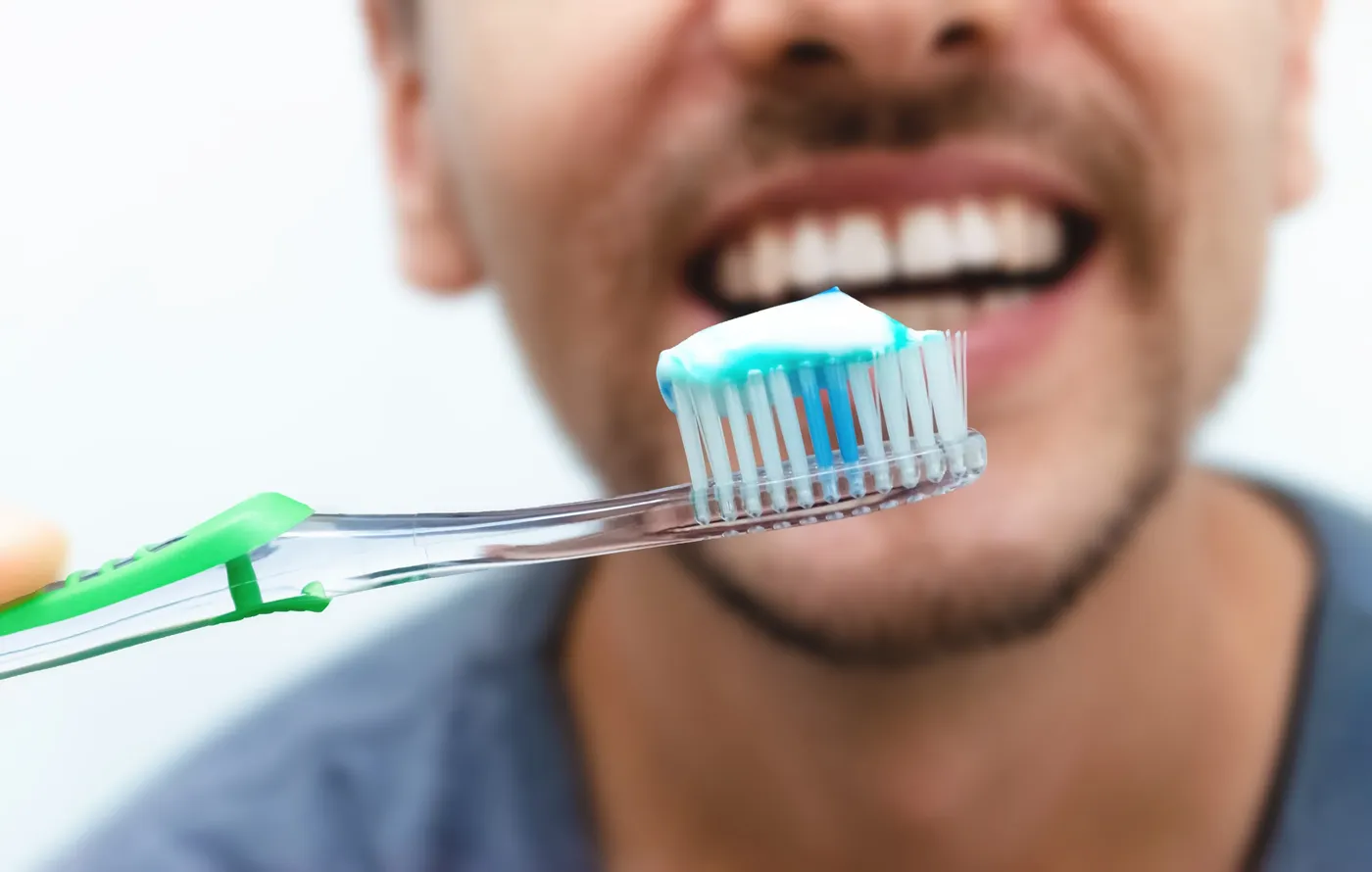
Use a soft-bristled brush and fluoride toothpaste for two full minutes each session. Angle bristles at 45 degrees to the gumline and use gentle circular strokes on every surface.
Floss Every Day
Guide floss gently between each tooth, curving it into a C-shape against the side of the tooth and sliding below the gumline. This removes plaque your brush cannot reach.
Clean Your Tongue
Bacteria collect on the tongue surface and contribute to bad breath. Use your toothbrush or a tongue scraper to clean from back to front each time you brush.
Rinse or Use Mouthwash
An antimicrobial or fluoride rinse adds an extra layer of protection. Swish for 30 seconds after brushing and flossing to reduce bacteria and strengthen enamel.
Visit Your Dentist Regularly
Professional cleanings remove tartar that home care cannot. Regular exams catch small problems before they become painful or expensive to treat.
How Diet and Lifestyle Affect Your Teeth
What you eat and drink has a direct impact on your oral health. Sugary snacks, acidic beverages, and frequent between-meal eating create an environment where harmful bacteria thrive. Each sugar exposure triggers an acid attack on enamel that lasts about 20 minutes.
A tooth-friendly diet includes calcium-rich foods like dairy and leafy greens, crunchy vegetables that stimulate saliva production, lean proteins, and plenty of water. Limiting soda, fruit juice, candy, and starchy processed foods significantly reduces your cavity risk.
Tobacco use — whether smoking or chewing — is one of the most damaging habits for oral health. It increases the risk of gum disease, delays healing after dental procedures, and is a leading cause of oral cancer. If you use tobacco, talk to your dentist about cessation resources.
Warning Signs You Should Not Ignore
Even with a strong home care routine, problems can develop. Contact Indian Trace Dental if you notice any of the following: gums that bleed when you brush or floss, persistent bad breath that does not improve with brushing, red or swollen gum tissue, teeth that feel loose or have shifted, pain or sensitivity when chewing, or sores in the mouth that do not heal within two weeks. Early intervention in Weston, FL can prevent minor issues from becoming serious. Call us at 954-217-9200 to schedule an evaluation.
Oral Hygiene Questions Answered
Research links poor oral hygiene to heart disease, diabetes complications, respiratory infections, and pregnancy risks. Bacteria from untreated gum disease can enter the bloodstream and trigger inflammation elsewhere in the body. Keeping your mouth healthy is one of the simplest ways to support your general well-being.
Replace your toothbrush or brush head every three to four months, or sooner if the bristles are frayed. Worn bristles lose their effectiveness and can irritate gums. Also replace your brush after recovering from an illness to avoid reintroducing bacteria.
Hold a soft-bristled brush at a 45-degree angle to the gumline. Use short, gentle circular or back-and-forth strokes. Brush all surfaces — outer, inner, and chewing — for a full two minutes. Do not press too hard, as excessive force can wear enamel and damage gum tissue.
Yes. A toothbrush cannot reach the tight spaces between teeth where plaque and food particles collect. Flossing removes debris from these areas and helps prevent cavities between teeth and gum disease. The American Dental Association recommends flossing at least once every day.
Sugary and acidic foods feed the bacteria that produce tooth-damaging acids. Frequent snacking without rinsing keeps teeth in constant contact with acid. A balanced diet rich in calcium, phosphorus, and vitamins A and C strengthens enamel and supports gum health. Drinking water throughout the day rinses away food particles and neutralizes acid.
Red, swollen, or tender gums that bleed when you brush or floss are common early signs of gingivitis. Persistent bad breath, receding gums, and teeth that feel loose can indicate the condition has progressed to periodontitis. Early treatment is critical because gum damage becomes harder to reverse over time.
Fluoride strengthens tooth enamel by promoting remineralization, the process that repairs microscopic areas of decay before they become cavities. Professional fluoride treatments deliver a higher concentration than toothpaste alone, making them especially helpful for patients with a higher cavity risk.
Oral care begins before the first tooth appears. Wipe an infant's gums with a soft cloth after feeding. Once the first tooth erupts, use a rice-grain-sized amount of fluoride toothpaste and a child-sized brush. By age three, increase to a pea-sized amount. Supervise brushing until around age seven or eight, when children develop the dexterity to brush thoroughly on their own.
Continue Your Oral Health Education
Good oral hygiene is part of a broader preventive care plan. Schedule regular dental cleanings and exams to remove tartar and catch issues early. If you experience a dental emergency, our emergency dental care team is available to help. Explore all of our general and family dentistry services to learn how we support patients of every age in Weston, FL.