

Oral Surgery in Weston, FL
Safe, precise surgical treatment that protects your long-term oral health.
Understanding Oral Surgery
Oral surgery addresses conditions that affect the teeth, gums, jaws, and supporting structures. Common procedures include surgical tooth extractions, wisdom tooth removal, dental implant placement, bone grafting to strengthen the jaw, and minor soft tissue procedures. The goal is to relieve pain, restore function, and create a stable foundation for future dental care.
When planned carefully, oral surgery helps prevent complications such as infection, misalignment from impacted teeth, and bone loss after tooth removal. Many treatments also support restorative dentistry, making it easier to place crowns, bridges, or implants with predictable results.
Benefits of Professional Oral Surgery
Conservative, precise, and well-timed care for better outcomes and smoother recovery.
Clear Diagnosis
A step-by-step plan tailored to your specific goals and anatomy.
Comfort Options
Anesthesia and relaxation aids to reduce anxiety.
Efficient Appointments
Designed to limit disruption to your schedule.
Predictable Healing
Easy-to-follow instructions for smooth recovery.
Foundation for Future Care
Stable site preparation for implants and restorations.
What to Expect During Oral Surgery
Every case begins with a detailed consultation that reviews your symptoms, medical history, and goals.
Pre-Surgical Evaluation
Comprehensive exam and digital imaging to pinpoint the issue and map anatomy.
Plan & Prepare
Discussion of comfort options, pre-op guidance, and verification of your plan.
Day of Surgery
Gentle, efficient technique designed to minimize tissue trauma with protective measures.
Recovery & Follow-Up
Written instructions, guidance on diet and hygiene, and follow-up visits to monitor progress.
Why Patients Choose Us
Patients value thorough diagnostics, clear communication, and a calm environment. Treatment plans are individualized, explaining options, risks, benefits, and timelines in plain language. Modern techniques support precision and comfort, and strict sterilization and safety protocols are followed for every visit.
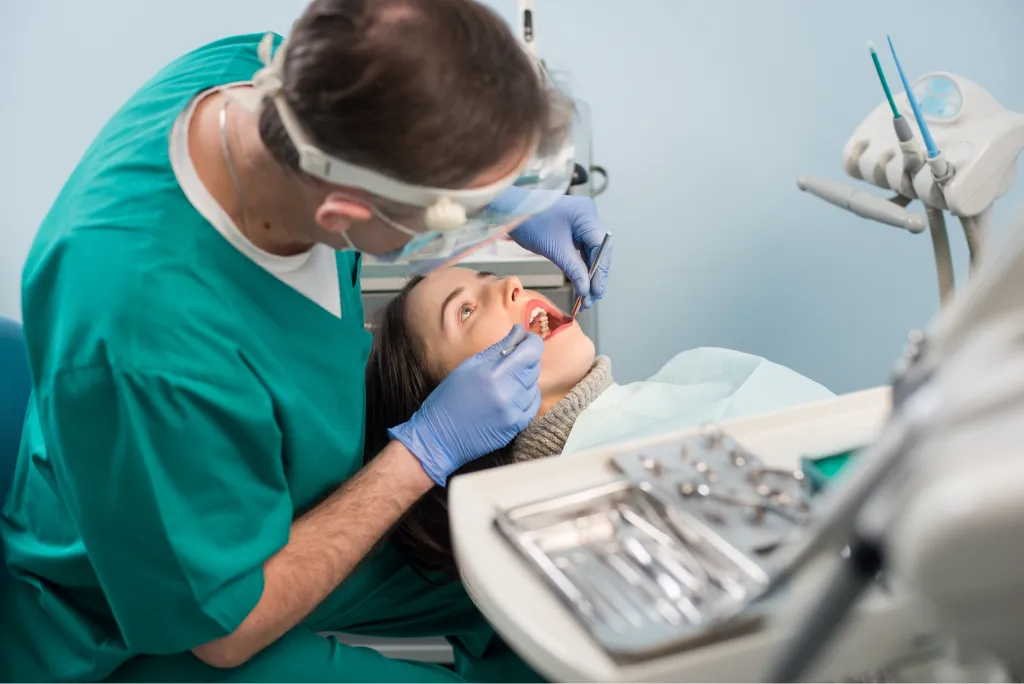
Frequently Asked Questions About Oral Surgery
Common reasons include impacted or severely damaged teeth, persistent dental infections, missing teeth that may benefit from implants, and bone loss that calls for grafting. Surgery may also help correct issues that affect your bite or comfort.
Local anesthesia numbs the treatment area so you remain comfortable during the procedure. Mild soreness or swelling afterward is common and usually managed with recommended medications, cold compresses, and rest.
Most soft tissue healing begins within a few days, while bone-related procedures can take several weeks to fully integrate. Following the provided instructions on rest, diet, and hygiene helps promote a smooth recovery.
Soft, cool foods are best for the first day or two. Avoid straws and very hot, spicy, or crunchy foods until advised. As comfort improves, you can gradually return to your normal diet.
Many patients schedule directly for evaluation, while others come with a referral from their dentist. If you have imaging or records, bringing them can streamline your visit.