

Implant Bridges in Weston, FL
Replace multiple missing teeth with a permanent, implant-supported bridge that preserves your natural teeth.
What Are Implant-Supported Bridges?
An implant bridge in Weston, FL replaces multiple consecutive missing teeth using dental implants as anchors instead of natural teeth. Two or more titanium posts are placed in the jawbone, and a custom bridge of three or more connected crowns is permanently fixed to those implants. The result is a stable, long-lasting restoration that functions and feels like your natural teeth.
At Indian Trace Dental, Dr. Rodolfo Villa and Dr. Edgar Navarrete plan implant bridge cases with precision imaging and careful surgical technique. This approach preserves healthy neighboring teeth, maintains jawbone volume, and delivers a fixed result that eliminates the need for removable appliances.
Why Choose an Implant-Supported Bridge?
Unlike a traditional bridge that requires grinding down adjacent teeth, an implant bridge stands independently on its own titanium foundation. This protects your healthy teeth and stimulates the jawbone to prevent the bone loss that occurs after tooth extraction. Patients from Weston, Davie, Pembroke Pines, and Sunrise choose implant bridges at Indian Trace Dental for their superior stability and longevity.
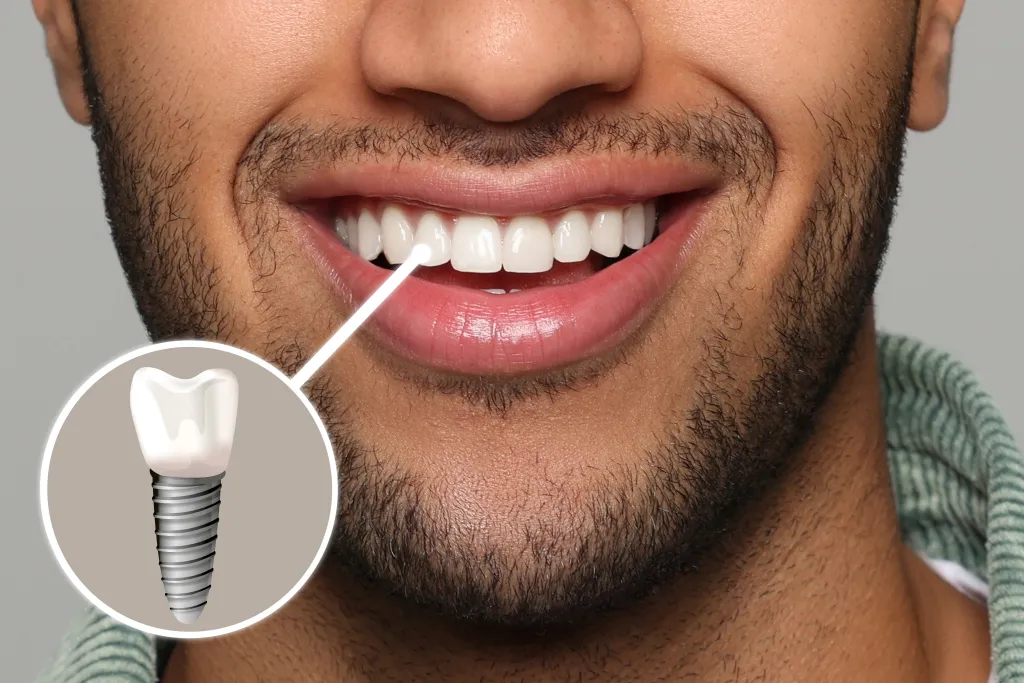
Benefits of Implant Bridges
A fixed, permanent solution that protects your remaining teeth and jawbone.
Preserves Natural Teeth
No need to reshape or crown adjacent healthy teeth for support.
Prevents Bone Loss
Implants stimulate the jawbone to maintain volume and prevent deterioration.
Permanent & Fixed
Cemented or screw-retained in place—no removal, no adhesives, no shifting.
Natural Function
Eat, speak, and smile with the same confidence as natural teeth.
Long-Lasting Results
Implant posts can last a lifetime; the bridge framework serves for many years.
Fewer Implants Needed
Two implants can support three or more replacement teeth, reducing surgery and cost.
The Implant Bridge Process
A phased treatment plan designed for precision and long-term success.
Consultation & 3D Imaging
Comprehensive exam and CBCT scan to evaluate bone density, map nerve locations, and plan precise implant positioning.
Implant Placement Surgery
Two or more titanium implant posts are placed into the jawbone under local anesthesia. Temporary prosthetics maintain aesthetics during healing.
Healing & Integration
Over 3–4 months, implants fuse with bone (osseointegration) to create a rock-solid foundation for your bridge.
Abutments & Impressions
Connector abutments are placed on the healed implants. Digital scans or impressions capture exact measurements for your custom bridge.
Bridge Fabrication & Placement
Your porcelain or zirconia bridge is tried in, adjusted for bite and aesthetics, then permanently secured to the implants.
Is an Implant Bridge Right for You?
Implant bridges are ideal for patients missing three or more consecutive teeth who want a permanent, fixed solution. If you are missing just one tooth, a single implant crown may be the best option. For patients missing all teeth in an arch, All-on-4 dental implants provide a full-arch fixed solution on just four posts.
If implant surgery is not preferred, a traditional fixed bridge or removable prosthesis offers alternative paths to restoring function and appearance. We will help you compare all options during your consultation.
Frequently Asked Questions About Implant Bridges
An implant bridge is a fixed prosthetic that replaces multiple missing teeth by anchoring to two or more dental implants rather than natural teeth. It provides permanent, stable support without affecting healthy neighboring teeth.
Typically two implants can support a three- to four-unit bridge. Longer spans may require additional implants. Your dentist will determine the optimal number based on jaw anatomy and the number of teeth being replaced.
The implant posts can last a lifetime with proper care. The bridge framework and porcelain typically last 10–15 years or more before potential replacement due to wear.
A traditional bridge anchors to natural teeth that must be reshaped. An implant bridge anchors to titanium posts in the jawbone, preserving neighboring teeth and providing independent support.
Implant placement is performed under local anesthesia. Most patients experience mild soreness for a few days afterward, manageable with over-the-counter pain relief. The bridge attachment visit is typically painless.
Yes. Implant bridges can replace teeth in the front or back of the mouth, in either the upper or lower jaw, as long as adequate bone is present to support the implants.