

Soft Tissue Biopsy in Weston, FL
A quick, minimally invasive diagnostic procedure to evaluate unusual oral tissue changes.
Understanding Oral Soft Tissue Biopsy
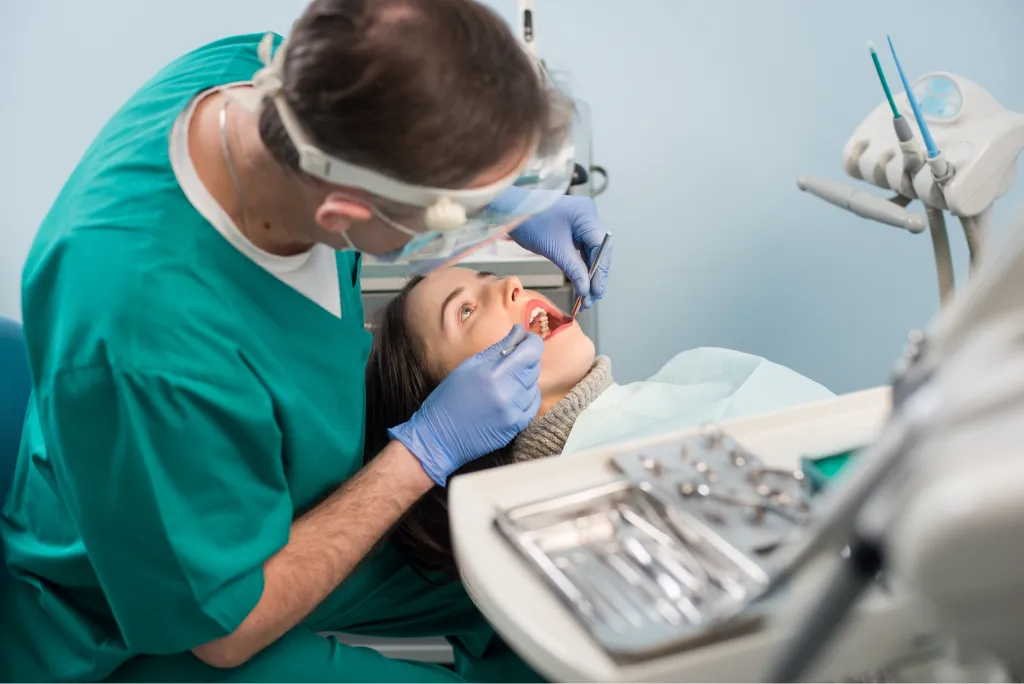
A soft tissue biopsy in Weston, FL is a routine diagnostic procedure used to evaluate unusual changes in the oral mucosa—including persistent sores, white or red patches, lumps, or growths that do not resolve on their own. A small sample of tissue is removed and examined under a microscope by a pathologist to determine its nature and guide appropriate treatment.
At Indian Trace Dental, Dr. Rodolfo Villa and Dr. Edgar Navarrete perform oral biopsies chairside using gentle techniques and local anesthesia. Early evaluation of suspicious tissue is one of the most important steps in maintaining long-term oral health, as it enables prompt detection and intervention when necessary.
When Is a Biopsy Recommended?
A biopsy may be recommended when an oral lesion persists for more than two weeks, changes in size or color, bleeds without clear cause, or feels firm to the touch. Common locations include the tongue, cheeks, gums, palate, and floor of the mouth. Patients from Weston, Davie, Pembroke Pines, and Sunrise trust Indian Trace Dental for thorough oral evaluations and timely diagnostic care.
Benefits of a Soft Tissue Biopsy
A simple procedure that delivers clarity and protects your oral health.
Accurate Diagnosis
Microscopic analysis provides a definitive answer about the nature of oral tissue changes.
Early Detection
Identifies precancerous or abnormal cells early when treatment is most effective.
Quick Procedure
Completed in 10–15 minutes chairside with minimal disruption to your day.
Minimally Invasive
Only a small tissue sample is needed, resulting in fast healing and minimal discomfort.
Peace of Mind
Removes uncertainty about unexplained oral changes with clear laboratory findings.
Guides Treatment
Results inform whether further intervention, monitoring, or no action is needed.
The Biopsy Process
A straightforward chairside procedure completed in a single short visit.
Clinical Examination
Your dentist visually and physically examines the area of concern, noting size, color, texture, and duration of the lesion.
Anesthesia
Local anesthetic is applied to numb the biopsy site completely, ensuring a comfortable experience.
Tissue Collection
A small sample of tissue is carefully removed using a scalpel, punch tool, or brush technique depending on the lesion type.
Hemostasis & Closure
The site is gently managed with pressure, sutures, or a hemostatic agent to promote healing.
Pathology & Follow-Up
The specimen is sent to a laboratory for analysis. Results are reviewed with you within 7–14 days along with any recommended next steps.
Related Oral Surgery Services
If your biopsy confirms a benign growth that requires removal, our team performs benign oral lesion surgery to safely excise the tissue and promote healing. We also offer frenectomy procedures for restrictive tissue bands and wisdom teeth extraction when surgical intervention is needed.
Regular dental checkups include oral cancer screenings, which help identify suspicious changes early. If something is detected, a biopsy provides the definitive diagnosis needed to move forward with confidence.
Frequently Asked Questions About Soft Tissue Biopsy
A soft tissue biopsy is a minor surgical procedure in which a small sample of oral tissue is removed and sent to a pathology laboratory for microscopic examination. It helps diagnose the cause of unusual lesions, sores, or growths in the mouth.
Your dentist may recommend a biopsy if you have a persistent sore, white or red patch, lump, or area of tissue that does not heal within two weeks. Early diagnosis allows for prompt treatment if needed.
The area is numbed with local anesthesia before the procedure, so you should not feel pain during the biopsy. Mild soreness at the site may last a few days afterward.
Most soft tissue biopsies take only 10–15 minutes. The tissue sample is small, and the procedure is performed chairside in a single visit.
Pathology results typically return within 7–14 days. Your dentist will contact you to discuss findings and any recommended next steps.
The biopsy site heals on its own in about one to two weeks. You may be advised to avoid spicy or acidic foods and to rinse gently with saltwater to aid healing.